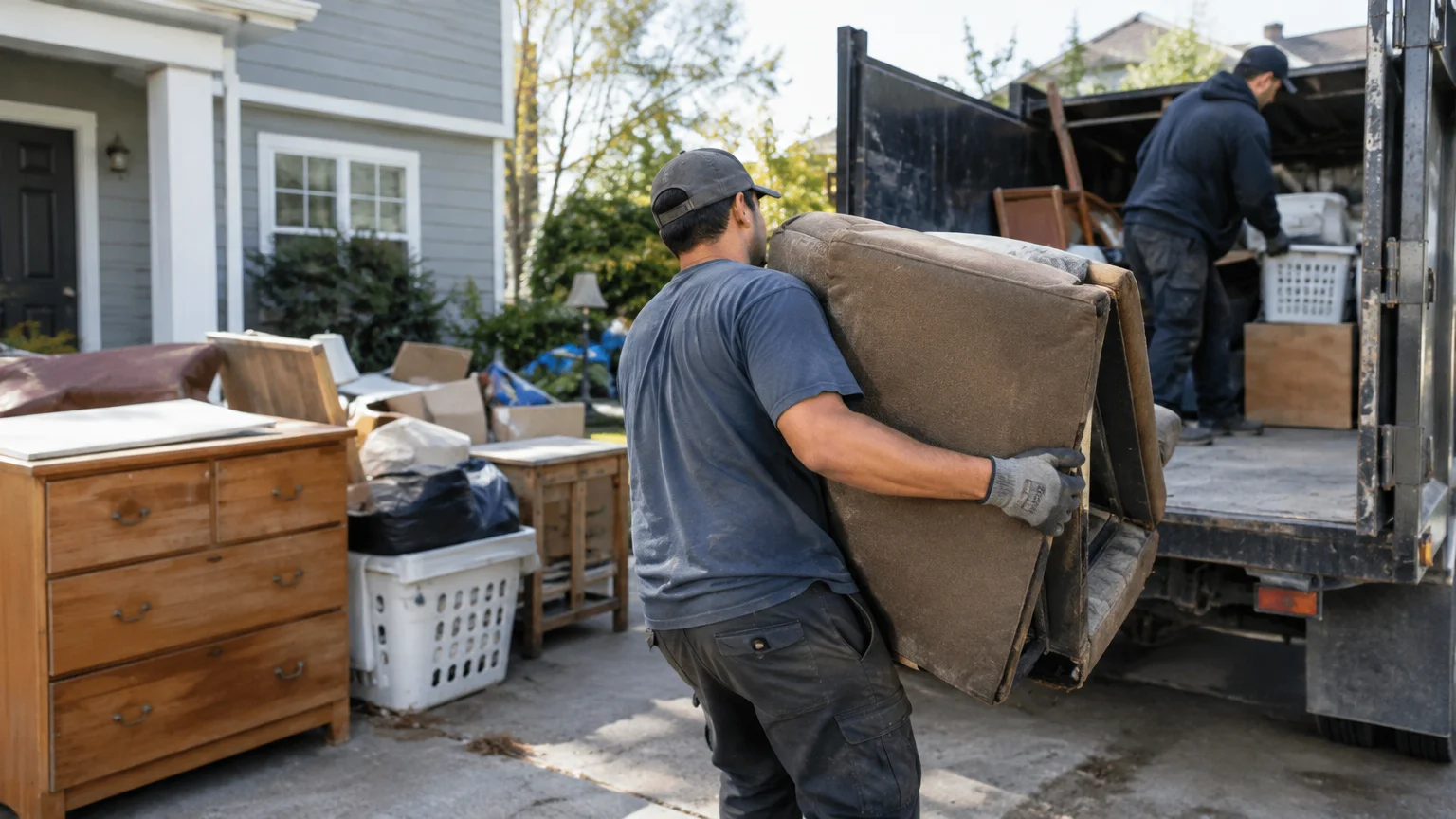
Waste disposal for concrete and construction debris is safest when materials are sorted, prepared, and moved with the right tools. Contractors, remodelers, and property owners can clear concrete, brick, wood, drywall, asphalt, and other job waste with a clear cleanup plan. This helps prevent injuries and damage in Smyrna homes and work sites.
What Is the Best Way to Dispose of Concrete and Construction Waste?
The best disposal method depends on the material, its weight, and site access. Concrete, brick, asphalt, drywall, wood, and mixed waste should be gathered and checked before loading. A local construction debris removal service can help move heavy waste from homes, businesses, and active work sites.
Smyrna GA Junk Removal helps property owners plan cleanup around the size and type of debris. This can help after a kitchen remodel, bathroom update, driveway repair, wall removal, or larger building project. Good planning keeps paths clear and helps protect the property during the work.
Which materials can be included in a construction debris load?
Construction debris is waste left after building, repair, demolition, or remodeling. Common items include broken concrete, brick, asphalt, wood, drywall, tile, flooring, cabinets, roofing pieces, and old fixtures. Some services may also handle furniture removal disposal, appliance removal and disposal, or general junk removal when these items are part of one cleanup.
A crew should check for unsafe items before loading. Paint, fuel, chemicals, asbestos, medical waste, propane tanks, and other harmful materials may need a different disposal method. Local rules can vary, so property owners should mention unusual items before the visit.
Mixed loads may also contain boxes, scrap metal, and damaged tools. A clean load is easier to sort than a pile with unknown items. This can help each material reach the right disposal, reuse, or recycling stream.
Why should concrete and other heavy materials be separated?
Concrete is much heavier than most household junk. Keeping it apart from light materials makes lifting, loading, and travel safer. It also helps protect drywall, wood, and other items from being crushed under heavy pieces.
Broken concrete should not go in a weak box, thin bag, or loose pile. Large pieces can shift without warning. Small pieces can still hurt hands, feet, and backs without gloves and strong shoes.
Concrete, brick, and asphalt may go to different places than common junk. Sorting these materials early gives the crew a clearer plan. It may also allow reuse or recycling when local facilities accept clean masonry and stone.
How Should Broken Concrete Be Prepared for Waste Disposal?
Broken concrete should be cleared of loose items and kept separate from other waste. The path to the pile should also stay clear. Property owners do not need to break large pieces unless they can do so safely. Heavy demolition work is often best left to trained workers with proper tools.
Before arranging pickup, explain where the debris is located. A driveway pile is easier to reach than waste behind a fence, in a basement, or across wet ground. Clear details help Smyrna GA Junk Removal plan the right approach for projects.
What should contractors remove before hauling concrete?
When possible, contractors should remove soil, trash, wire, plastic, insulation, and other items from clean concrete. Rebar means steel bars inside concrete, and these bars should be pointed out before loading. Sharp edges can hurt workers or damage equipment when hidden in a mixed pile.
A simple preparation checklist can help:
- Keep concrete away from doors, stairs, and moving vehicles.
- Separate brick, asphalt, wood, drywall, and metal when practical.
- Remove nails, wires, plastic, and loose hardware from the main pile.
- Keep harmful materials apart for proper review and handling.
- Leave room for workers to lift and carry each piece safely.
The pile should remain stable until the crew arrives. Children, pets, tenants, and visitors should stay away from construction waste. Even a small slab can move when someone steps on an uneven pile.
How can property owners make debris pickup safer?
Property owners can make pickup safer by clearing the route from the pile to the loading area. Move vehicles, tools, hoses, loose boards, and outdoor furniture when possible. Unlock gates and tell the crew about steps, narrow paths, soft ground, or low branches.
The work area should have good light during early or late cleanup. People should stay clear while heavy pieces are carried. A homeowner may sweep dust and move light items, but should not lift slabs that feel too heavy or unstable.
For larger jobs, the site manager should choose one clear place for debris. This reduces extra trips and keeps waste from spreading. It can also help a professional crew finish the work with fewer delays.
How Does Construction Waste Disposal Fit Different Jobs?
Construction waste disposal should match the job, the material, and the access at the property. A small bathroom remodel may leave tile, drywall, and fixture waste. A driveway repair may create a dense pile of concrete and asphalt. Each job needs its own handling plan.
The final cost is confirmed on a quote after the service reviews the load and access. Main factors include debris size, material weight, labor needs, travel from the loading area, and sorting needs. Heavy masonry usually needs more planning than a light pile of wood or boxes.
Concrete disposal can be one of the harder types of junk removal because each piece is dense. A small amount of broken tile may be easier than a large driveway pile. A mixed remodel load may also take more time than one clean material.
Property owners should describe the debris clearly when requesting service. Photos may show the pile, but the crew may still need to check access and material types. Smyrna GA Junk Removal can help homeowners, contractors, and property managers know what details to share before cleanup.
Some jobs also include items outside the main concrete load. A remodel may leave an old refrigerator, cabinets, mattresses, or furniture. Anyone asking how to get rid of a fridge or dispose of appliances should check local rules and mention these items before pickup. Appliances may contain refrigerants, wiring, oils, or other parts that need special handling.
When Should You Hire a Professional for Concrete Disposal?
A professional can help when concrete is heavy, spread across a site, hard to reach, or unsafe to lift. Trained crews have tools and safe methods for moving large pieces. This is useful after demolition, storm damage, driveway work, and major remodeling.
A homeowner does not need a professional for simple sweeping, light sorting, and basic cleanup. A professional is a better choice for unstable piles, large slabs, tight spaces, sharp metal, or debris near walls and vehicles. No one should enter a risky area without first understanding the hazards.
What are the safety and equipment challenges of heavy debris removal?
Heavy debris can pinch fingers, strain backs, cut skin, and damage floors or walls. Large pieces may shift during lifting. Narrow halls, stairs, wet ground, and steep driveways add more risk.
Professional crews may use dollies, lifting tools, protective gear, and suitable vehicles. The right tools help reduce dragging and keep loads steady. They can also help protect lawns, driveways, door frames, and finished surfaces.
Harmful materials need extra care. Suspected asbestos, chemicals, fuel, batteries, and unknown containers should not mix with common construction waste. Tell the crew about these items before work begins.
What should you look for in a local construction cleanup service?
A reliable service should explain what it accepts and ask useful questions about the job. It should also share clear scheduling details and explain how the crew will reach the debris. Good communication helps when several trades work at one property.
Look for a service that can discuss:
- Concrete, brick, asphalt, drywall, wood, and mixed renovation debris.
- Safe access from the pile to the loading area.
- Special handling for appliances and other unusual items.
- Protection for driveways, floors, walls, gates, and landscaping.
- Disposal or recycling steps when local facilities accept materials.
Smyrna GA Junk Removal serves customers in the main Smyrna area and nearby communities. Service areas may include Downtown Smyrna, Vinings, Marietta, Mableton, Powder Springs, and Sandy Springs. The team can help contractors, property owners, and homeowners clear waste after a project ends.
Key Takeaways
- Sort heavy concrete from light construction waste whenever possible.
- Keep children, pets, tenants, and visitors away from unstable debris piles.
- Tell the crew about sharp metal, appliances, chemicals, and tight access.
- Homeowners can sweep and sort light items, but heavy lifting may need help.
- A quote should reflect the load, material type, labor, and property access.
Frequently Asked Questions
How can someone get rid of an old refrigerator?
Keep an old refrigerator upright and apart from ordinary junk until its removal plan is confirmed. Refrigerators may contain refrigerant, wiring, and oils that need special handling. Describe the appliance when arranging service. A local provider can explain whether it accepts the unit and how it will be handled.
What is a cleanout service?
A cleanout service removes unwanted items from a home, office, rental, garage, or work site. It may include furniture, appliances, boxes, fixtures, and construction debris. The crew loads accepted items and takes them to a proper disposal, donation, reuse, or recycling location when available.
Can concrete and household junk go in the same load?
Sometimes they can, but the service should know about both materials before pickup. Concrete is heavy and may need separate loading from furniture, mattresses, appliances, or light waste. Sorting can make the work safer and may help each material reach the right local facility.
What happens to old appliances after removal?
Old appliances may be reused, recycled, or sent to a disposal facility. The result depends on their condition and parts. Refrigerators and some other appliances may need special processing because of refrigerants or electrical parts. Share the appliance type and condition before the crew arrives.
Conclusion
Safe waste disposal starts with sorting, careful preparation, and clear details about the job. Broken concrete, brick, asphalt, and mixed remodeling debris can create lifting and access risks. A planned cleanup helps protect the property and lets contractors finish with fewer delays.
Contact us to arrange construction debris removal for a concrete, remodeling, or job site cleanup project.