A professional concrete disposal service can help when broken slabs, bricks, asphalt, or masonry are too heavy, bulky, or unsafe to move. In Smyrna, this help is useful when debris blocks a work area, exceeds your hauling space, creates property risks, or makes local disposal rules hard to follow.
Table of Contents
- How can you tell when concrete debris requires professional removal?
- Is the concrete too heavy or bulky to handle safely?
- Does the debris exceed your truck, trailer, or disposal capacity?
- Are broken slabs, bricks, or asphalt blocking your job site?
- Do local disposal rules make concrete removal complicated?
- Could concrete removal damage your property or landscaping?
- How does hiring a professional concrete disposal service simplify cleanup?
- Frequently Asked Questions
- Conclusion
How can you tell when concrete debris requires professional removal?
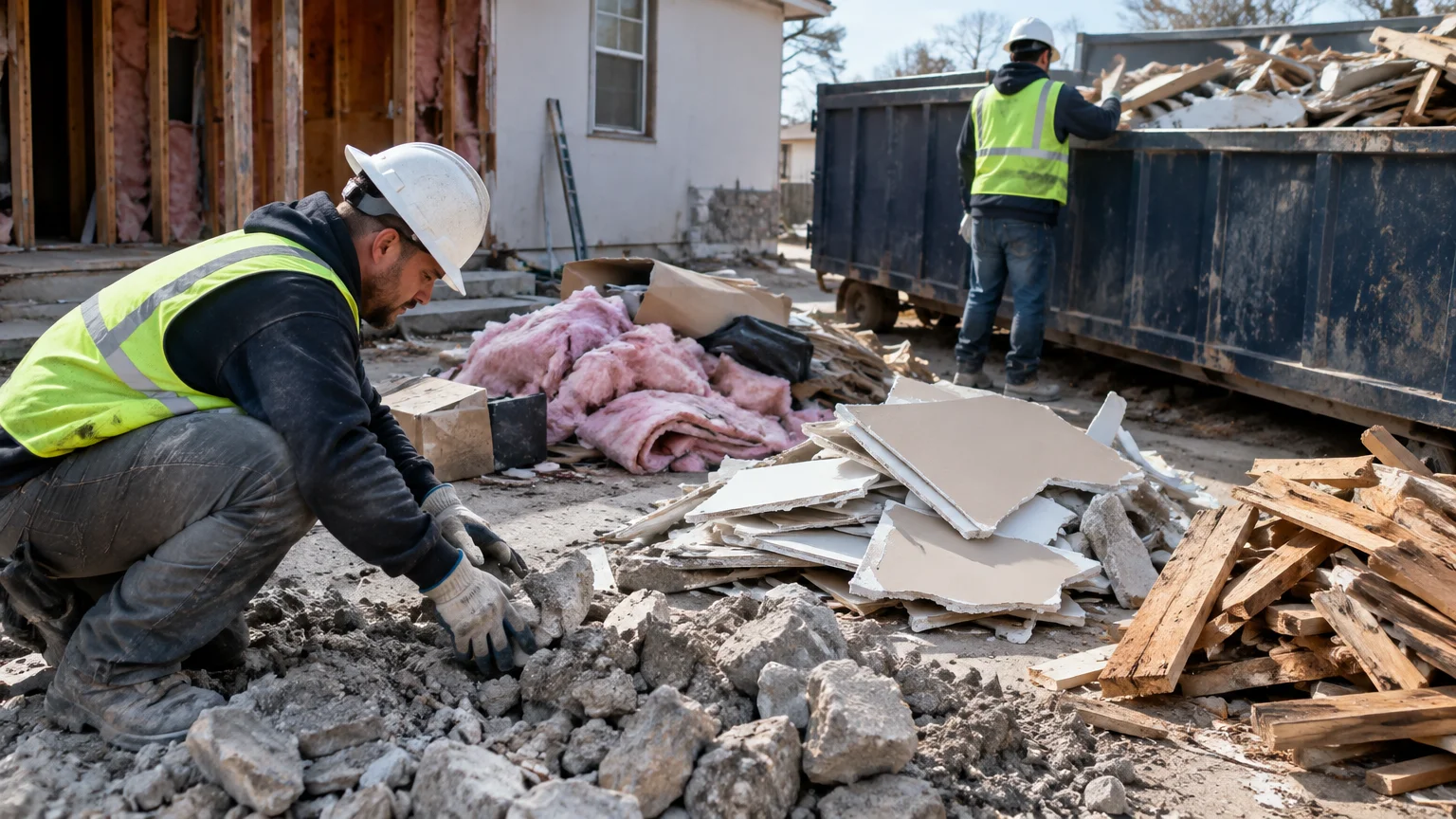
Seven signs point to a need for professional help. The debris may be too heavy, the pile may be too large, or the work area may be blocked. Disposal rules may be unclear, materials may be mixed, property damage may be possible, or cleanup may delay other work. These problems often appear after demolition or remodeling.
Concrete debris includes broken slabs, chunks, bricks, pavers, asphalt, and masonry. Unlike normal household junk, these materials are dense and hard to move. A small-looking pile can still strain a person, hand truck, trailer, or pickup bed.
A contractor may need a clear site before the next trade arrives. A homeowner may need an old patio, walkway, or driveway removed before new work starts. In either case, a professional concrete disposal service can help plan removal and keep the project moving.
Recognizing the seven warning signs
A pile needs closer attention when it sits near a narrow gate, soft ground, or sharp edges. The same is true when workers must carry pieces across finished floors, planted areas, or sloped ground. These conditions make a simple cleanup less safe.
The warning signs may happen at the same time. A large pile can block a driveway and exceed a trailer’s safe load. Mixed debris can add sorting work and create more disposal steps. When several problems appear, professional removal is often the safer choice.
Why broken concrete is different from ordinary household junk
Concrete does not compress like cardboard, clothing, or loose household items. It can shift during lifting and damage surfaces when dragged. It also creates dust and sharp edges when pieces break apart.
Smyrna GA Junk Removal can help homeowners, contractors, and property owners choose a removal plan. A quick review of the pile, access path, and nearby surfaces helps find risks before loading begins.
Is the concrete too heavy or bulky to handle safely?
Concrete may be too heavy to move safely when one person cannot lift each piece with control. Awkward shapes, broken edges, and uneven ground add more risk. If workers must twist, carry far, or stack pieces above shoulder height, professional help is a sensible choice.
A safe lift needs firm footing and a clear path. Broken slabs often have rough edges that can cut gloves or clothing. Pieces may roll, tip, or slide when placed on a dolly. These risks grow near steps, walls, vehicles, and active work areas.
Homeowners can often handle light sweeping and small loose pieces. The path must be clear. They should wear sturdy shoes, gloves, and eye protection. They should not lift large sections, break concrete with power tools, or move heavy loads without proper help.
How weight and awkward shapes create injury risks
Large pieces are not always easy to judge by sight. A thin slab may still be hard to control because it is wide and difficult to grip. A broken corner can shift while two people carry it.
Dust is another concern. Dry sweeping can send fine particles into the air. Light cleanup may be safe with care, but heavy breaking and loading should be left to trained workers with suitable safety gear.
When tools and additional labor are needed
Some jobs need carts, ramps, lifting tools, or more than one person. Other jobs need careful breaking before loading. The best method depends on the material, pile size, access route, and nearby property features.
A professional crew can plan the movement before handling the debris. The plan may protect a doorway and keep people away from the loading area. It may also place pieces so they stay stable during transport. This helps reduce rushed choices and avoidable damage.
Does the debris exceed your truck, trailer, or disposal capacity?
A load may exceed a vehicle’s safe capacity when concrete fills the bed quickly. It may also become unsafe when pieces rise above the sides. Volume alone does not show the full risk. Dense material can make a vehicle unsafe before it looks full.
Many homeowners also lack a safe way to secure broken masonry. Loose pieces can shift during travel and damage the vehicle. A trailer may need proper tie-down points, a suitable gate, and a careful loading method.
Project managers should consider time lost through extra loading and unloading. A small vehicle may require several trips. Each trip can interrupt demolition, delay other trades, and leave the site partly blocked.
Estimating the volume of broken concrete and masonry
View the pile from several sides. A flat stack, scattered chunks, and mixed bricks may each need a different loading plan. Empty space between pieces also affects how well the load can be arranged.
A quick visual guess can miss pieces hidden under soil, brush, or other debris. It can also miss heavy material behind a building or inside a garage. A professional review helps account for the full cleanup area.
Why multiple trips can delay a construction project
Extra trips take time away from the main job. They may leave tools, workers, or customers waiting for a clear path. Weather can make delays worse when debris stays outside between trips.
A planned removal helps the contractor choose the right time. The crew can clear the area before deliveries, inspections, landscaping, or final cleaning. For Smyrna projects, Smyrna GA Junk Removal offers a local point of contact for construction debris removal planning.
Are broken slabs, bricks, or asphalt blocking your job site?
Blocked debris is a clear sign that removal should happen soon. Broken concrete can limit access to doors, driveways, tools, storage areas, and work zones. It can also create trip hazards for workers, residents, visitors, and delivery drivers.
A clear path supports safer movement around the site. It gives workers room to carry materials and helps vehicles reach the loading area. Removing debris at the right stage can stop new materials from being placed on old waste.
This matters during kitchen, bathroom, patio, driveway, and wall projects. It also matters during property cleanouts when construction waste is mixed with furniture, appliances, or household items. A job site cleanup plan should account for each material instead of treating all junk the same way.
How debris affects access, productivity, and site safety
Loose chunks can hide nails, metal, glass, and other sharp items. They can also collect water and mud, making walking areas less stable. When debris spreads, workers spend more time walking around it and less time on planned work.
A clear site is easier to inspect and organize. It helps the project lead see what remains and what needs protection. It also makes it easier to keep children, pets, and visitors away from active work.
Clearing walkways, driveways, and staging areas
Choose the safest route before pieces move. Workers should note slopes, gates, steps, soft ground, and finished surfaces. They should also keep the route clear of cords, tools, and stored items.
Small cleanup tasks may be safe for a homeowner. Larger piles near narrow routes are different. In those cases, professional construction debris removal can help clear the space while reducing strain on the property and project team.
Do local disposal rules make concrete removal complicated?
Concrete disposal can become hard when facilities have rules for loads, accepted materials, sorting, or drop-off times. Requirements vary by facility and material type. A load with concrete, soil, wood, paint, or household waste may need separate handling.
Concrete may go to a construction waste facility, transfer site, or recycling operation. The right destination depends on local rules and the material’s condition. Before hauling, the person in charge should confirm what the facility accepts.
A professional crew can help decide if the load needs sorting before transport. This helps when a remodel produces drywall, wood, insulation, packaging, and masonry in one area. Proper separation can reduce confusion at the disposal site.
Understanding landfill, recycling, and transfer-site requirements
A transfer site is a place where waste is received, sorted, and moved elsewhere. Some sites accept clean concrete apart from mixed construction waste. Others limit certain loads or require a special unloading process.
Recycling may be possible when concrete is clean and free from other materials. Recycled aggregate is crushed material used in some building work. The facility decides whether a load qualifies. Anyone hauling concrete should follow the site’s current instructions.
Why separating concrete from other construction debris matters
Mixed loads are harder to inspect and process. Wood, drywall, plastic, soil, and metal can change where the material must go. Separating items at the job site makes loading easier and can prevent rejected loads.
Contractors should create separate areas for concrete, wood, metal, and general waste when possible. Homeowners can place small items in marked containers and keep heavy masonry apart. Smyrna GA Junk Removal can help Smyrna customers plan a cleaner removal process for mixed renovation debris.
Could concrete removal damage your property or landscaping?
Concrete removal can damage property when heavy pieces are dragged across finished surfaces. Lawns may develop ruts, pavers may crack, and walls or door frames may be scraped. Careful route planning helps reduce these risks.
The removal path should match the size and shape of the debris. A route that works for small bricks may not work for a broken slab. The crew should also consider gates, steps, slopes, garden beds, irrigation lines, and parked vehicles.
Homeowners can protect light items by clearing the path and moving loose decorations. They should not move heavy slabs near glass, retaining walls, or steep edges. These areas need a controlled plan and suitable equipment.
Protecting driveways, lawns, walls, and finished surfaces
Protection may include boards, mats, or other suitable coverings along the route. The right method depends on the surface and equipment used. Coverings should not create a trip hazard or block safe access.
Workers should avoid dropping pieces into piles. Controlled placement helps limit cracking, dust, and flying chips. It also keeps the pile stable until loading is complete.
Planning a safe path from the debris pile to the truck
Check the route from the pile to the vehicle before loading starts. The crew should identify tight turns, overhead obstacles, soft soil, and places where people may enter. The vehicle should be placed where loading will not block emergency access.
A clear plan helps the crew work in a steady order. It also lets the property owner point out fragile areas. This is helpful during driveway removal, patio demolition, and exterior remodeling.
How does hiring a professional concrete disposal service simplify cleanup?
Hiring a professional concrete disposal service combines site review, safe loading, hauling, and disposal planning. The crew first looks at the material, access route, nearby surfaces, and mixed debris. Then it chooses a practical way to remove the load.
The process often starts with details about the debris. The crew may ask if the material includes concrete, bricks, asphalt, soil, wood, drywall, or household items. Clear details help match the removal plan to the site.
During loading, the crew keeps the area organized and watches for unstable pieces. It may separate materials when needed. After removal, the site can be checked for loose fragments and other hazards.
What to expect during assessment, loading, hauling, and disposal
An assessment identifies the pile size and best path out. Loading then focuses on stable handling and careful placement. Hauling requires a suitable vehicle and secure transport.
The final step is delivery to an appropriate facility or destination. Facility rules may affect how clean concrete, mixed debris, and other waste are handled. Customers should ask which materials are included and what must stay separate.
This same process can support renovation debris hauling, contractor junk removal, and property cleanup. It may also help with related needs such as furniture removal disposal, appliance removal and disposal, or hot tub removal and disposal when those items are part of a larger project.
Key takeaways for contractors, property owners, and homeowners
- Heavy, sharp, or awkward concrete is not ordinary household junk.
- A blocked job site can slow work and create safety problems.
- Vehicle limits and disposal rules matter before loading begins.
- A clear route helps protect lawns, driveways, walls, and finished surfaces.
- Clean separation makes construction waste removal easier to manage.
Frequently Asked Questions
What is the safest way to dispose of broken concrete?
The safest method is to separate concrete from other debris, plan a clear route, and use suitable tools and transport. Small loose pieces may be swept and handled by a homeowner. Large slabs, deep piles, or tight access areas are better suited to a professional concrete disposal service.
Can concrete go in a regular household trash bin?
Concrete should not go in a regular household trash bin. It can damage the container and may exceed collection limits. The right option depends on local facilities and the material’s condition. A disposal provider or transfer site can explain accepted loads before transport.
What happens to old appliances during a cleanout?
Old appliances are usually separated from general junk before hauling. Some need special handling because they contain refrigerants, batteries, wiring, or other regulated parts. A cleanout is a planned removal of unwanted items from a property. It may include appliances, furniture, and construction debris.
How can someone get rid of a hot tub after a remodel?
A hot tub often needs draining, disconnecting, breaking down, and careful removal through the available path. The method depends on its size, condition, wiring, and location. Homeowners should leave electrical work to a qualified professional. Trained removal help is best for heavy sections.
Can one service remove garage, attic, and basement items in one trip?
One service may remove items from several areas during one planned visit. The provider needs details about stairs, narrow doors, heavy objects, appliances, and construction waste. Combining areas can make the cleanup more organized. The final plan depends on access and load capacity.
Conclusion
Concrete removal becomes a professional job when weight, volume, access, disposal rules, or property risks make the work unsafe or slow. Homeowners can handle light sweeping and small loose pieces when conditions are simple. Large, mixed, or awkward loads need a careful plan from the pile to the disposal site.
Smyrna GA Junk Removal helps property owners and contractors manage construction debris removal and nearby areas. Contact us to arrange a concrete cleanup plan that fits the material, access route, and project needs.